

Pictured above: Sugar plantations utilized some of the most brutal and deadly systems of enslaved labor in history. The unforgiving pace of the harvest of the sugar cane, and the dangerous mill work in the processing of the sugar, resulted in an average life expectancy of just 7 to 9 years for enslaved workers.
———————————–
On October 8, 1732, two missionaries set sail from Copenhagen, Denmark, bound for the island of St. Thomas. They were embarking on a journey that would change the course of Christian mission history.
St. Thomas, and several other islands of the West Indies, were covered with sugar plantations owned by a handful of Danes. The vast majority of the population were African slaves who labored, languished, and died under the whip. The slave masters ruled by intimidation, cruelty, and fear. There was always the danger of a slave uprising, so the last thing the landowners wanted was an influx of do-gooder missionaries teaching their slaves how to read and write, or, that Jesus loved them. Such talk might lead their slaves to get big ideas about human dignity and freedom.
Therefore, the authorities refused to allow missionaries. Only slaves, slave masters, and traders were allowed to step foot on these islands. In order to fulfill their calling to be missionaries to these poor, lost slaves, two young Moravians, Johann Leonhard Dober (1706-1766) and David Nitschmann 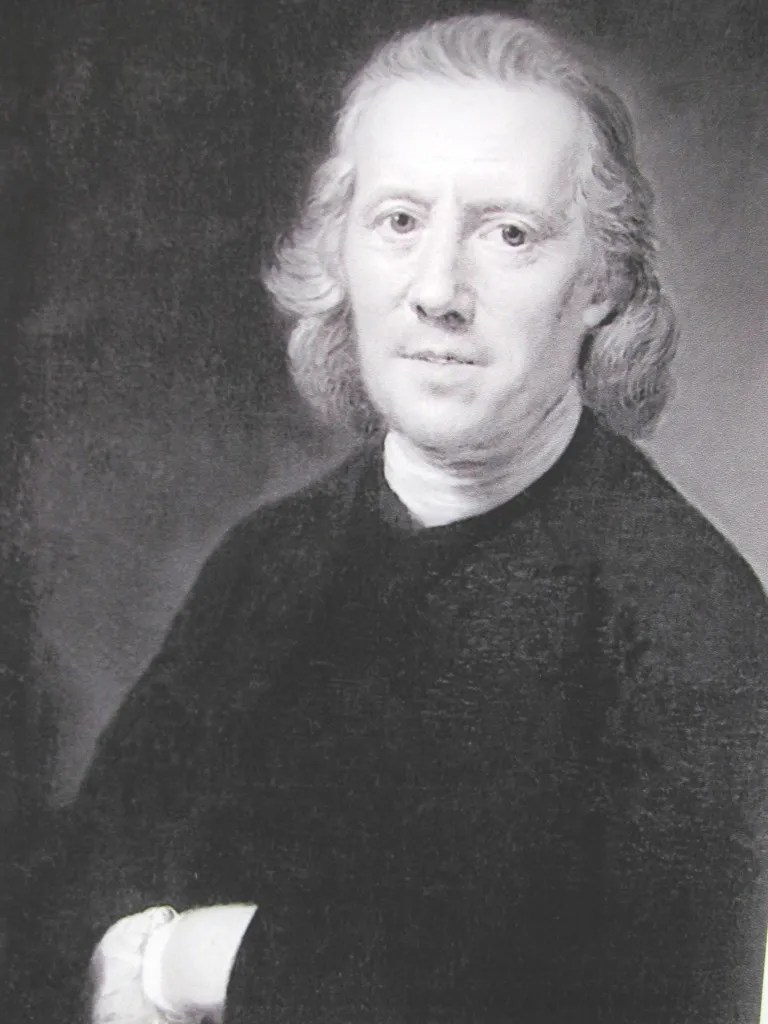 (1696-1772), were willing to sell themselves as slaves.

In 1731, Anthony Ulrich, an enslaved man who came from Saint Thomas to Copenhagen with his master, had described to them the bleak picture of his people’s lives as slaves on the plantations. Their toils were relentless, leaving no room for rest or spiritual instruction. Bursting with emotion, Anthony cried, “Oh, that someone would go preach the Gospel to my sister who is still in Saint Thomas!” The only conceivable way to reach his people, he believed, was for someone to become a slave alongside them, sharing their miserable life. The stories of slavery and suffering were heart-wrenching, but what moved these young men even more was the realization that these souls had never heard the name of Jesus.
But the thought must have terrified the two young men. How could they endure such suffering? They had heard about the toil, the heat of the sugar plantations, the filthy conditions, and the cruelty of the masters. Yet, for Johann and David, the call of Christ was louder than the voices of doubt or fear. They were willing to sell themselves into slavery if that was the only way to bring the light of the Gospel to these oppressed souls.
The two men were members of the Moravian Brethren, a small, but dedicated group of Christians that had faced some persecution. The group found sanctuary in Saxony on the property of Count Nicholas von Zinzendorf, to whom they looked for leadership. Johann and David went to Count Zinzendorf to seek his counsel and support for their venture. Even though Zinzendorf was working hard to inspire workers to go to the ends of the earth with the Gospel, his response to this idea was less than enthusiastic. Others in the church were also not in favor, considering the undertaking far too reckless and too dangerous. But eventually, the young men’s persistence paid off, permission was granted, and Zinzendorf’s blessing was received.
The men then walked the 600 miles to Copenhagen, and from there would embark on a ship to the West Indies. But here too they faced many obstacles. Fellow believers discouraged them, saying that for all their effort, they would accomplish nothing more than getting themselves killed. All were impressed by the men’s willingness to give up everything for the Gospel, but they said it was preposterous to think that white men could become slaves. They told them no ship would even be willing to take them, and they were right about that. But Princess Charlotte Amelia heard about them, and was so impressed that she took up their cause, making sure they found a way to the islands, along with providing some financial support.
When they arrived at St. Thomas, they learned that God would not require of them the sacrifice they were prepared to make. As white men, their offer to become slaves was rejected. Instead, they were given permission to work as poorly paid carpenters, living in a mud hut on one of the plantations. Their work continued to meet with severe challenges and hardship.
They were to see no dramatic results from their work, but gradually the people grew to love and trust these men who would willingly have embraced slavery to preach to lost souls. Slowly, hearts began to soften before the gospel of God’s pity and grace. The family of the slave who had originally appealed for help was among the first to be touched. By the time they returned to Denmark, they had seen only a few early converts. But the work they began was continued by others, and grew to 13,000 new believers in the West Indian islands before any other missionary society reached those distant shores. Their courageous faith had opened many doors for future missionaries.
The ripple Dober and Nitschmann cast from eighteenth-century Europe created the early stirrings of a missionary work that would be felt worldwide. The Moravians were the first large-scale Protestant missionary movement. They were the first to send lay ministers as missionaries, the first Protestant denomination to reach enslaved people, and the first Christian presence in many countries. Though their names have largely been forgotten in present-day Christianity, their impact remains.
****************************
John 20:21 — Jesus said, “Peace be with you. As the father has sent me, so I’m sending you.”
Luke 9:23 – (Jesus said), “If anyone would come after Me, let him deny himself and take up his cross daily and follow Me.”
Matthew 28:19-20 – (Jesus said), “Therefore go and make disciples of all nations, baptizing them in the name of the Father and of the Son and of the Holy Spirit, and teaching them to obey everything I have commanded you. And surely, I am with you always, to the very end of the age.”
******************************
My Lord God, I have no idea where I am going.
I do not see the road ahead of me.
I cannot know for certain where it will end.
And the fact that I think I am following your will,
does not mean that I am actually doing so.
But I believe that the desire to please you does in fact please you.
And I hope I have that desire in all that I am doing.
I hope that I will never do anything apart from that desire.
And I know that if I do this you will lead me by the right road.
Therefore I will trust you always,
Though I may seem to be lost and in the shadow of death,
I will not fear, for you are forever with me,
and you will never leave me to face my perils alone. Amen.
–Thomas Merton (1915-1968)
Related Posts


